First Responder trainingsEvery interaction matters.
Our first responder trainings provide practical, neuroaffirming tools to recognize communication differences, understand sensory and regulation needs, reduce barriers, and build safer, more respectful, and more effective interactions with autistic and disabled individuals.
❋ Neuroaffirming KnowledgeBuild understanding of autism, disability, communication differences, sensory needs, and regulation..
❋ Real-World Scenarios Explore practical situations first responders may encounter and strategies for responding effectively.
❋ Communication ToolsLearn how to recognize and support diverse communication styles, including AAC and non-speaking communication.
❋ Practical ResourcesLeave with tools and resources that can be used during real-world interactions with autistic and disabled individuals.
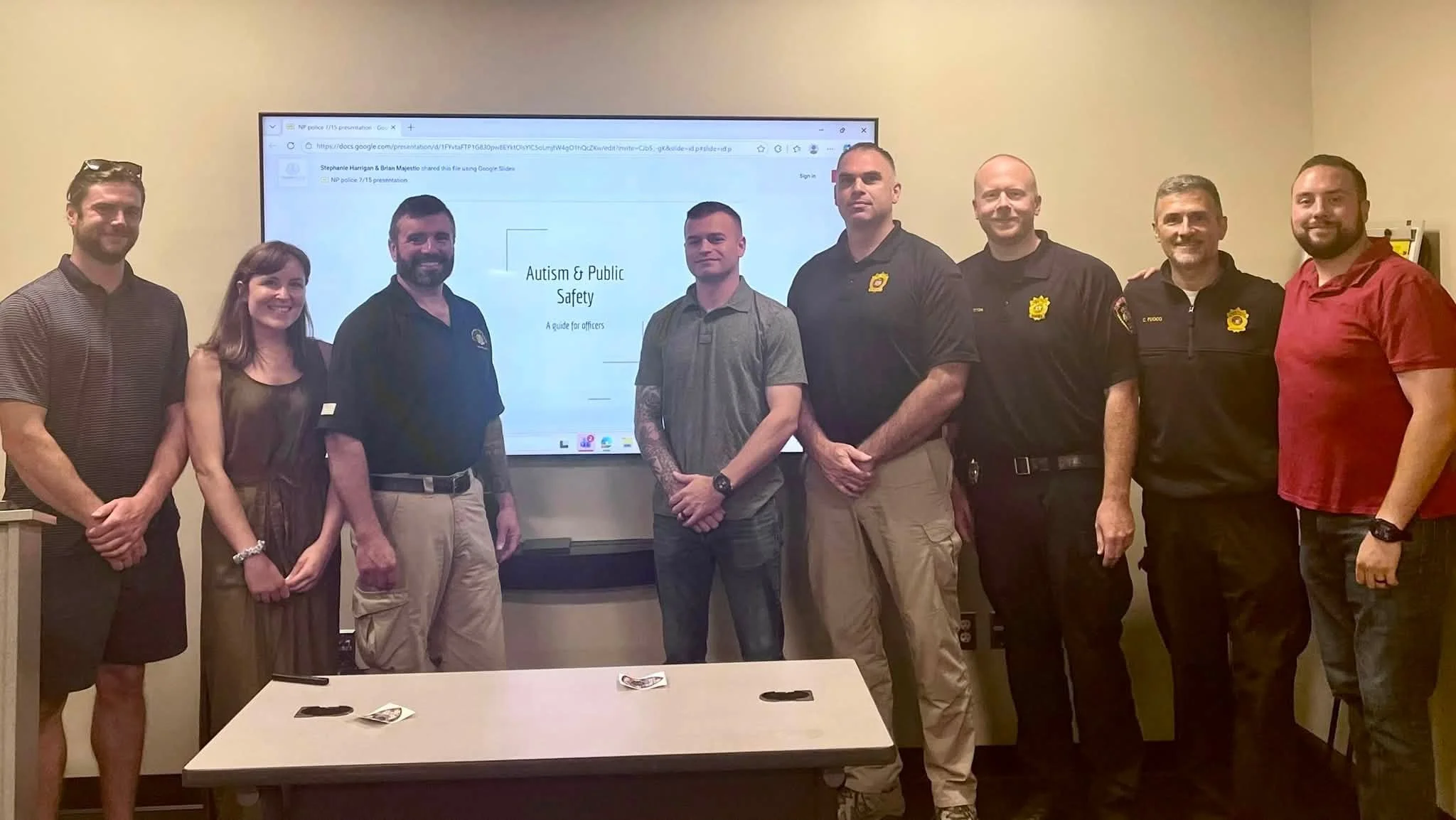
Practical training. Greater understanding. More confident responses.-
Training is grounded in the situations first responders may encounter in the field, with practical strategies that can be applied immediately.
-
Build a deeper understanding of autism, disability, communication differences, sensory needs, and regulation without relying on stereotypes or compliance-based approaches.
-
Learn how to recognize and support different communication styles, including AAC, gestures, visuals, and nonspeaking communication.
-
Explore how sensory differences, stress, and overwhelm can affect interactions—and how first responders can respond with greater understanding and effectiveness.
-
Our goal is to help first responders feel more confident, prepared, and equipped to create safer and more respectful interactions within the communities they serve.